
What Karat Gold Is Best? A Complete Guide to 10K, 14K, 18K, 22K & 24K
Gold jewelry is timeless, always consider as a symbol of wealth, tradition, and beauty. But when it comes to jewelry, one question comes up often: what karat gold is best? The answer depends on how you plan to wear it, whether you need gold for everyday use, rings, necklaces, chains, or earrings.

This complete guide explains which karat gold is the best, compares 10K to 24K, and shows you the helps you choose the best gold karat for your lifestyle.
Understanding Gold Karats
A “Karat” (K) is the unit used to measure gold purity. The best karat gold depends on balancing purity, durability, and cost. The higher the karat, the purer the gold.
- 24K gold → 99.9% pure gold
- 18K gold → 75% gold + 25% alloy
- 14K gold → 58.3% gold + 41.7% alloy
- 10K gold → 41.7% gold + 58.3% alloy

Karat vs. Carat: What’s the Difference?
- Karat (K) → measures gold purity.
- Carat (ct) → measures gemstone weight (like diamonds).
How Is Gold Purity Measured?
Gold purity is calculated as a fraction:
Example: 18 karat ÷ 24 other metals = 0.75 = 75% gold.
Gold Purity Chart (10K to 24K)
| Karat | % of Pure Gold | Common Use |
|---|---|---|
| 24K | 99.9% | Investment, collectibles |
| 22K | 91.6% | Traditional jewelry |
| 18K | 75% | Luxury jewelry |
| 14K | 58.3% | Everyday wear |
| 10K | 41.7% | Affordable jewelry |
Types of Gold Karats Explained
10K Gold: Affordable but Low in Purity
- Cheapest gold option.
- Very durable due to high alloy content.
- Color looks duller than higher karats.
14K Gold: Best for Everyday Use
- The best karat gold for everyday wear like rings, chains, and daily wear.
- Balanced purity and strength.
- Most popular choice in the U.S. and Europe.
- Affordable and durable.
18K Gold: The Luxury Sweet Spot
- Rich yellow tone and luxurious look.
- The best gold karat for engagement rings and earrings
- Softer than 14K but still durable enough.
22K Gold: High Purity, Less Durable
- Popular in Asian and Middle Eastern jewelry .
- Beautiful color but prone to scratches.
- Not ideal for everyday wear.
24K Gold: Pure but Soft
- 24K is only best For investment, not For jewelry like For rings, necklaces, and chains, because it bends too easily.
- Too soft for rings and chains.
- it available in form of gold bars, coins, and collectibles.

What Alloys Are Mixed with Gold?
Gold is mixed with alloys for durability. Alloys are copper, silver, nickel, or zinc that increase the strength and create different colors.
White Gold, Rose Gold, and Yellow Gold
- White gold: Gold + nickel/palladium, looks like platinum.
- Rose gold: Gold + copper, pinkish tone.
- Yellow gold: Classic, traditional color.
What Karat White Gold Is Best?
- 14K white gold → best for durability.
- 18K white gold → luxurious, but softer.

Myths and Facts About Gold Karats
- 24K Gold is the Best for Jewelry (but it’s too soft for daily wear)
- Can Lower Karat Gold Still Be Valuable? (Yes, 14K and 18K hold strong resale value)
- Common Misconceptions About Gold Purity
- Higher karat ≠ always better (but 14K and 18K are actually best for rings, necklaces, and earrings)
What’s the Best Karat of Gold Overall?
14K gold is the best karat for gold jewelry, while 24K gold is the best for collectors.
How to Tell If Gold Is Real (Not Plated or Fake)
- Check for hallmark stamp (10K, 14K, 18K, etc.).
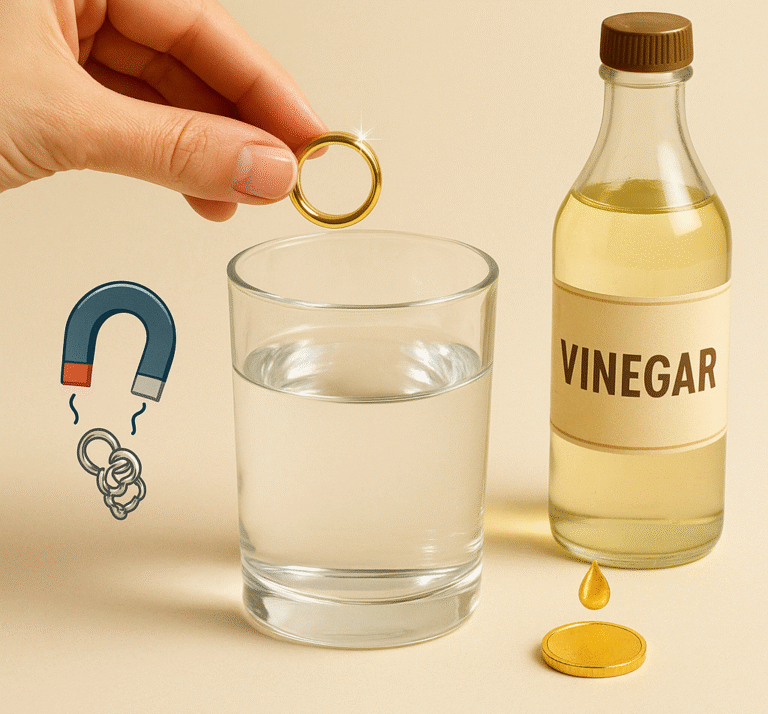
- Magnet test (real gold is not magnetic).
- Professional appraisal for accuracy.

Best Karat Gold for Grillz
14K or 18K grillz are most popular. 24K grillz look flashy but are not durable.
Pros and Cons by Karat
| Pros | Cons |
|---|---|
| Affordable, durable | Dull color, low purity |
| Best balance of purity and strength | Slightly less rich color than 18K |
| Luxury look, high value | Softer, scratches easier |
| High purity, valuable | Not practical for everyday wear |




2 Comments